Hebrews 12:14 instructs believers to pursue peace with all men and holiness, without which no man shall see the Lord. It means that holiness is not optional for those who will see God — Scripture presents it as the settled condition of everyone who enters His presence, because nothing that defiles enters the holy city (Revelation 21:27).
Holiness in Scripture is received before it is practised. Believers are made holy through Christ's work (Hebrews 10:10) and are then commanded to live in that holiness (1 Peter 1:15-16). It is not the price of entry. It is the life of those who have been let in.
Some verses are difficult because they are unclear. This one is difficult because it is not.
Follow peace with all men, and holiness, without which no man shall see the Lord.
There is no softening in it. Not most men. Not unless there are circumstances. No man.
And that plainness is what makes people uneasy, because a question follows immediately behind it. If holiness is required, then is anyone safe? And if it is required, what happened to grace?
Those are the right questions. Scripture answers both.
What does the Bible mean by holiness?
The Hebrew and Greek words behind our English word carry the sense of being set apart — separated from common use for a particular purpose.
A pot in an Israelite kitchen was ordinary. The same shape of pot inside the temple was holy. The clay had not changed. Its belonging had.
This is why God says to Israel: ye shall be holy: for I the LORD your God am holy (Leviticus 19:2). The reason given is not a standard to be reached. It is a relationship to be reflected. You are holy because of whose you are.
Peter takes that same command and hands it to the church: But as he which hath called you is holy, so be ye holy in all manner of conversation; Because it is written, Be ye holy; for I am holy (1 Peter 1:15-16).
Notice how he introduces it. Not "become holy so that He will call you." He which hath called you. The calling comes first in the sentence, and it comes first in reality.
Is holiness required to see God?
Scripture says so in several places and does not qualify it.
Hebrews 12:14 states it directly. Jesus states it in the Beatitudes: Blessed are the pure in heart: for they shall see God (Matthew 5:8). And John, describing the holy city, writes that there shall in no wise enter into it any thing that defileth (Revelation 21:27).
Paul puts it as the purpose of the calling itself: For God hath not called us unto uncleanness, but unto holiness (1 Thessalonians 4:7).
Four writers, one direction. There is no version of the biblical hope in which a person arrives before God still holding what God has said cannot enter.
Does this mean we are saved by our own holiness?
No, and this is the hinge of the whole matter. Getting it wrong in either direction does real damage.
Paul is unambiguous: For by grace are ye saved through faith; and that not of yourselves: it is the gift of God: Not of works, lest any man should boast (Ephesians 2:8-9). Nobody produces holiness and presents it as payment.
But read the sentence Paul writes immediately after, because it is almost never quoted with the first two: For we are his workmanship, created in Christ Jesus unto good works, which God hath before ordained that we should walk in them (Ephesians 2:10).
Created unto good works. Not saved by them, and not saved without them either — saved for them.
Hebrews itself makes the order explicit before it makes the demand. Chapter 10 says believers are sanctified through the offering of the body of Jesus Christ once for all (Hebrews 10:10). By chapter 12 the writer can say pursue holiness, because his readers already have a holiness to pursue.
Titus says the same thing about grace, and it is worth reading slowly, because it makes grace the teacher rather than the excuse: For the grace of God that bringeth salvation hath appeared to all men, Teaching us that, denying ungodliness and worldly lusts, we should live soberly, righteously, and godly, in this present world (Titus 2:11-12).
Grace does not overlook ungodliness. Grace teaches us to deny it.
What does "see the kingdom of God" mean?
Jesus uses that exact phrase once, at night, to a religious man who had spent his life keeping the law.
Verily, verily, I say unto thee, Except a man be born again, he cannot see the kingdom of God.
Nicodemus was a Pharisee and a ruler of the Jews. If any man could have entered on the strength of his own record, it was him. Jesus tells him the record is not the door.
Which shows what holiness is not. It is not moral achievement stacked high enough to qualify. Nicodemus had that, and was told he needed to be born again.
Holiness is what a new birth produces. A man is born again, and then a life begins to look different — not the other way around.
What does holiness look like in practice?
Scripture is concrete about this, and it is less dramatic than people expect.
Peter connects it to all manner of conversation — the whole way a life is conducted (1 Peter 1:15). Paul writes of cleansing ourselves from all filthiness of the flesh and spirit, perfecting holiness in the fear of God (2 Corinthians 7:1), which names both the outward and the inward and refuses to let anyone choose only one.
In practice that reaches ordinary places:
- What you watch and read when nobody is checking
- How you speak — Paul places corrupt communication directly under this heading (Ephesians 4:29)
- Money, and whether it is handled honestly when it would be easy not to
- The body, which Paul calls the temple of the Holy Ghost (1 Corinthians 6:19)
- Dress and bearing, treated in Scripture as part of holiness rather than as fashion (1 Timothy 2:9)
- Peace with people — Hebrews 12:14 puts this in the same sentence as holiness, not in a different category
- Confession that is current — if we confess our sins, he is faithful and just to forgive us (1 John 1:9)
Notice that peace with others is in the verse itself. A person can be strict in every private discipline and still be failing Hebrews 12:14 if he is at war with his brother.
What if I keep falling?
Then you are in the position every honest believer has been in, and Scripture does not treat it as disqualification.
John writes to believers, not to outsiders, when he says if we confess our sins, he is faithful and just to forgive us our sins, and to cleanse us from all unrighteousness (1 John 1:9). The provision is made for people who are already His and have fallen.
Paul asks the question directly — Shall we continue in sin, that grace may abound? — and answers it with the strongest phrase available to him: God forbid (Romans 6:1-2).
Both things are true at once, and holding only one is where people go wrong. Falling is not the end. Deciding that falling does not matter is a different thing altogether.
The difference is direction. A believer who sins and turns back is walking toward God. A believer who sins and has stopped turning is not, whatever he still says about himself.
What does the Ministry of Repentance and Holiness teach about this?
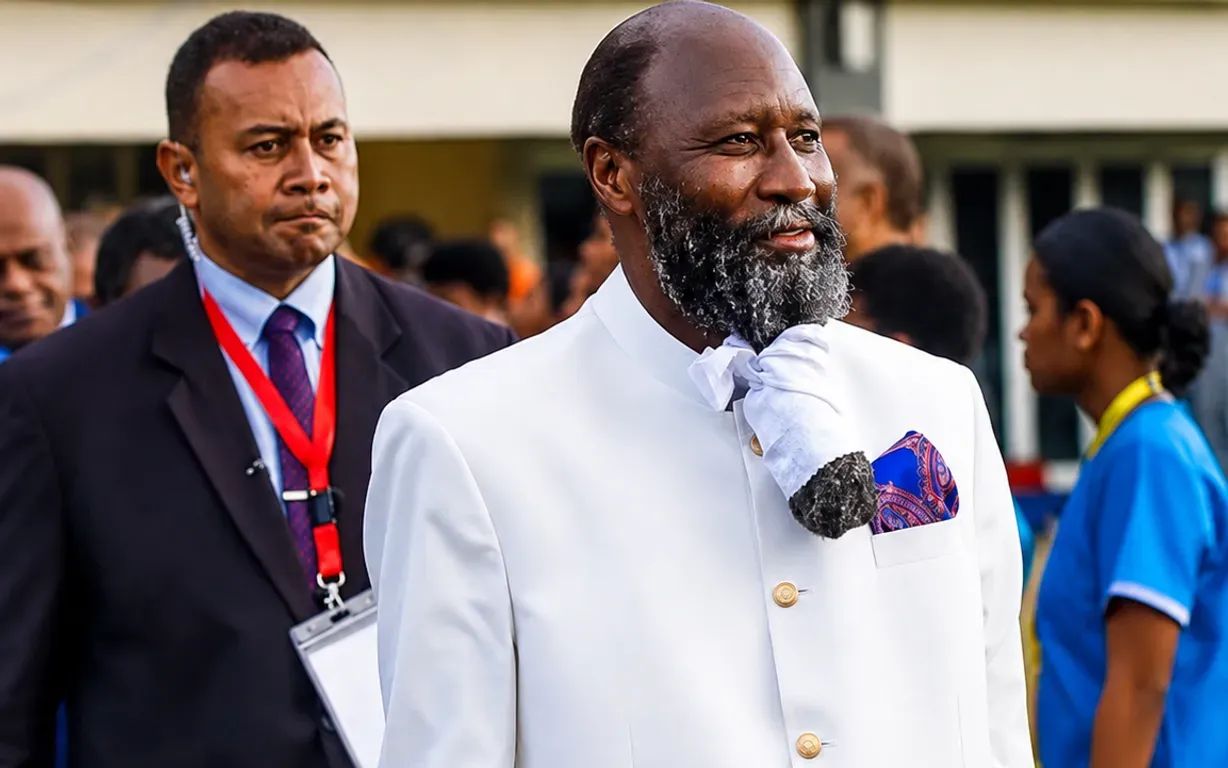
The ministry, led by Prophet Dr. David Edward Owuor, was founded in 2005 with a message stated in four short commands: repent, be holy, prepare the way, because the Messiah is coming.
Its statement of faith describes those who are caught up at the rapture as the holy Church — the dead in Christ rising in glorified bodies, and those living in holiness transformed and caught up to meet the Lord in the air.
Related: rapture or second coming — what is the difference?
Holiness is not the fee
Read Hebrews 12:14 one more time, and notice which word does the work.
Follow. Pursue. Chase after. It is the language of something you are moving toward, not something you must produce before you are allowed to begin.
Nobody pursues what they have not been given a share in. A man does not chase after a house that was never offered to him. The pursuit only makes sense because the gift came first.
So the verse is not standing at the door taking payment. It is describing the road, and telling you honestly where it goes.
He did not clothe you in white so that you could keep the garment folded away. He clothed you so that you would walk in it.
Frequently asked questions
What does Hebrews 12:14 mean?
It instructs believers to pursue peace with all men and holiness, stating that without holiness no man shall see the Lord. The verse presents holiness as the settled condition of those who come into God's presence, not as an optional depth for committed believers. The word translated "follow" means to pursue, describing a direction of life rather than a standard achieved in advance.
Is holiness required for salvation?
Scripture presents holiness as the evidence and outcome of salvation rather than its purchase price. Ephesians 2:8-9 says salvation is by grace through faith and not of works, and the next verse says believers are created in Christ Jesus unto good works. Hebrews 10:10 places sanctification before the command to pursue holiness in Hebrews 12:14.
What does "see the kingdom of God" mean in John 3:3?
Jesus told Nicodemus that a man cannot see the kingdom of God unless he is born again. Nicodemus was a Pharisee and a ruler of the Jews, so the statement rules out entry on the basis of religious record. Seeing the kingdom follows a new birth rather than accumulated moral achievement.
What does holiness mean in the Bible?
The underlying Hebrew and Greek terms carry the sense of being set apart from common use for a particular purpose. Leviticus 19:2 grounds the command in God's own character — be holy, for I the LORD your God am holy. Holiness therefore describes belonging to God before it describes behaviour.
Can a Christian lose holiness by sinning?
Scripture treats sin in a believer's life as something to be confessed and cleansed rather than as automatic disqualification. 1 John 1:9 says that if we confess our sins, God is faithful and just to forgive and to cleanse from all unrighteousness. Romans 6:1-2 rejects the idea that grace permits continuing in sin.
Does holiness include outward things like dress and speech?
Scripture addresses both. 2 Corinthians 7:1 speaks of cleansing from filthiness of flesh and spirit, naming the outward and the inward together. 1 Peter 1:15 applies holiness to all manner of conversation, Ephesians 4:29 addresses speech, and 1 Timothy 2:9 addresses dress. Hebrews 12:14 also places peace with other people alongside holiness in the same sentence.
What does the Ministry of Repentance and Holiness teach about holiness?
The ministry, founded in 2005 and led by Prophet Dr. David Edward Owuor, preaches repentance and holiness as preparation for the coming of the Messiah. Its statement of faith describes those caught up at the rapture as the holy Church, including those living in holiness who are transformed and caught up to meet the Lord in the air.
Key scriptures
Hebrews 12:14
Make every effort… to be holy; without holiness no one will see the Lord.
Hebrews 12:14, NIV · as set out in What does the Highway of Holiness mean in Isaiah 35?
- Revelation 21:27
- Hebrews 10:10
- 1 Peter 1:15–16
- Leviticus 19:2
- Matthew 5:8
- 1 Thessalonians 4:7
Ephesians 2:8–9
It is by grace you have been saved, through faith…
Ephesians 2:8–9, NIV · as set out in How should Christians dress?
- Ephesians 2:10
- Titus 2:11–12
John 3:3
Verily, verily, I say unto thee, Except a man be born again, he cannot see the kingdom of God.
John 3:3 · as set out in What does “without holiness no man shall see the Lord” mean?
1 Peter 1:15
But as he which hath called you is holy, so be ye holy in all manner of conversation.
1 Peter 1:15, KJV · as set out in What does the Bible say about repentance and holiness?